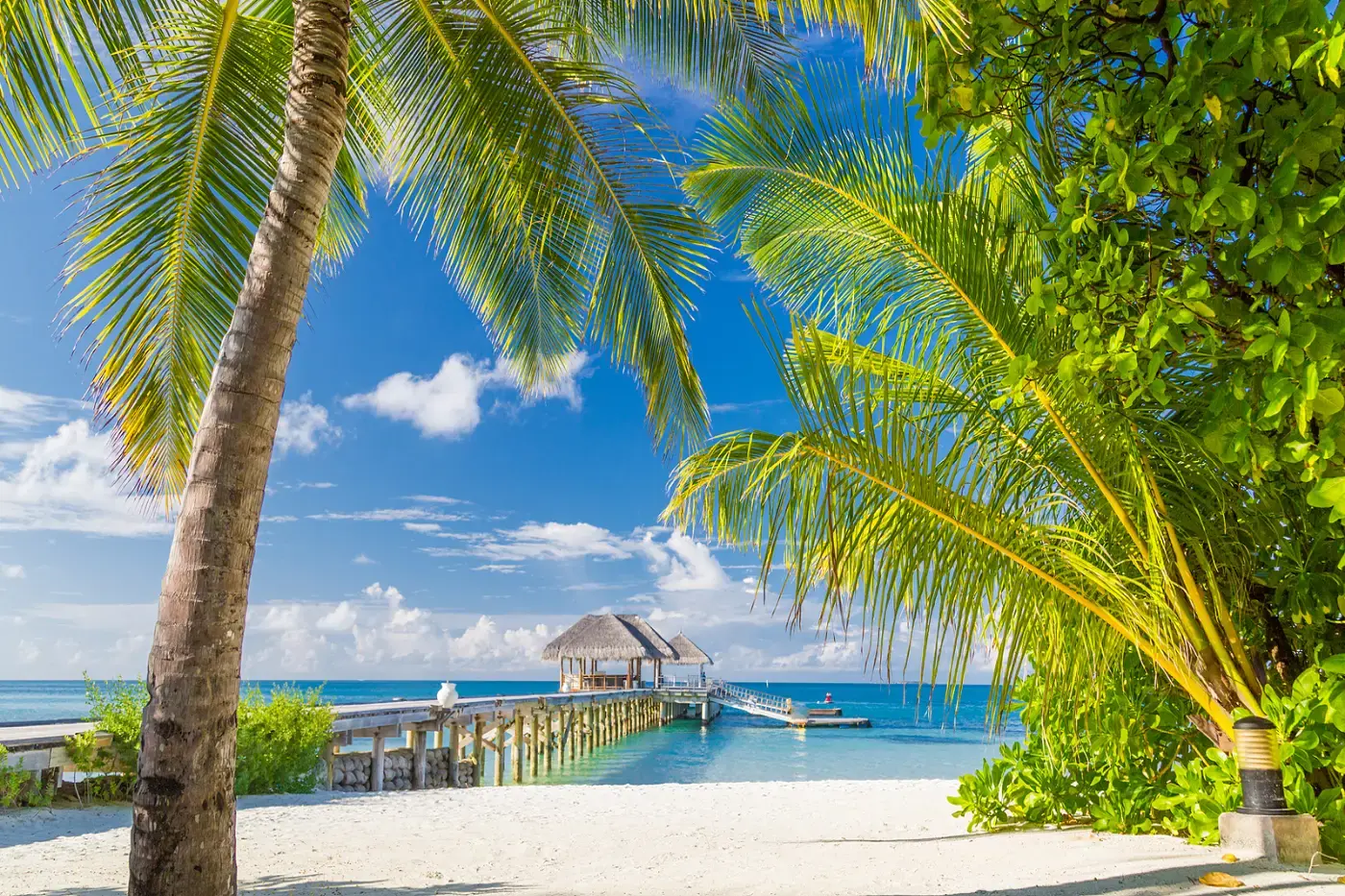
France's beach resorts range from Belle Époque palaces overlooking the Mediterranean to contemporary thalassotherapy sanctuaries facing Atlantic swells. These properties evolved alongside coastal tourism itself, many dating to the 19th century when European aristocracy discovered seaside leisure. Modern luxury standards meet architectural heritage along 5,500 kilometers of coastline spanning three distinct maritime regions.
Mediterranean Elegance
The French Riviera pioneered luxury beach hospitality when Nice's Hotel West End opened in 1842, followed by Cannes's Carlton and Monaco's Hôtel de Paris. These grand dames maintain original architecture while offering contemporary amenities. Private beaches extend from hotel terraces, striped parasols shading loungers facing azure water. Michelin-starred dining rooms overlook palm-lined promenades.
Corsica's resort development favored smaller properties integrated with natural landscapes. Porto-Vecchio and Calvi anchor regions where boutique hotels occupy converted manor houses or purpose-built facilities designed to complement rather than dominate coastal settings. Infinity pools seem to merge with the Mediterranean while spa treatments incorporate local botanicals from the maquis shrubland. Many properties close from November through March, operating seasonally in rhythm with Mediterranean tourism patterns.
Atlantic Thalassotherapy Tradition
Atlantic coast resorts pioneered thalassotherapy, therapeutic use of seawater and marine elements. Biarritz's Thalassa Sea & Spa continues a wellness tradition established when Empress Eugénie sought ocean cures in the 1850s. La Baule's resort strip stretches along nine kilometers of fine sand, grand hotels alternating with residential villas. The Atlantic's stronger tides and cooler temperatures shaped resort architecture favoring sheltered terraces and heated pools.
Brittany's thalassotherapy centers occupy dramatic coastal positions where Atlantic waters are harvested for spa treatments. Properties in Quiberon and Dinard combine wellness facilities with traditional resort amenities, attracting guests seeking therapeutic benefits alongside beach access. Many maintain year-round operations given the wellness focus, though summer brings beach-oriented travelers to supplement the spa clientele.
Normandy and Channel Coast Properties
Deauville established the Channel coast resort template in the 1860s, spawning similar developments in Cabourg and Trouville. These towns maintain period architecture, grand hotels facing beaches where the English Channel's tides create Europe's most dramatic coastal transformations. Boardwalks protect against salt spray while preserving sea views. Casinos and racetracks complement beach amenities, reflecting the broader entertainment model that distinguished Channel resorts from Mediterranean properties focused primarily on sun and sea.
Practical Information
Peak season extends from June through September for Mediterranean and Atlantic properties, with rates highest in July and August. Channel coast resorts see shorter high seasons given cooler water temperatures. Many luxury properties require minimum stay requirements during peak periods and major events like Cannes Film Festival or Monaco Grand Prix. Direct booking often provides better cancellation terms than third-party platforms, while shoulder seasons offer significant rate reductions with comparable weather on southern coasts.